How Convenience Spending May Be Quietly Killing Your Budget
A Closer Look at the Costs of Convenience
When most people think about improving their finances, they tend to focus on the big expenses. Maybe it's finding a lower mortgage payment, refinancing an auto loan, or cutting back on dining out. Those decisions can certainly make a difference, but budgets aren't shaped by major purchases alone.
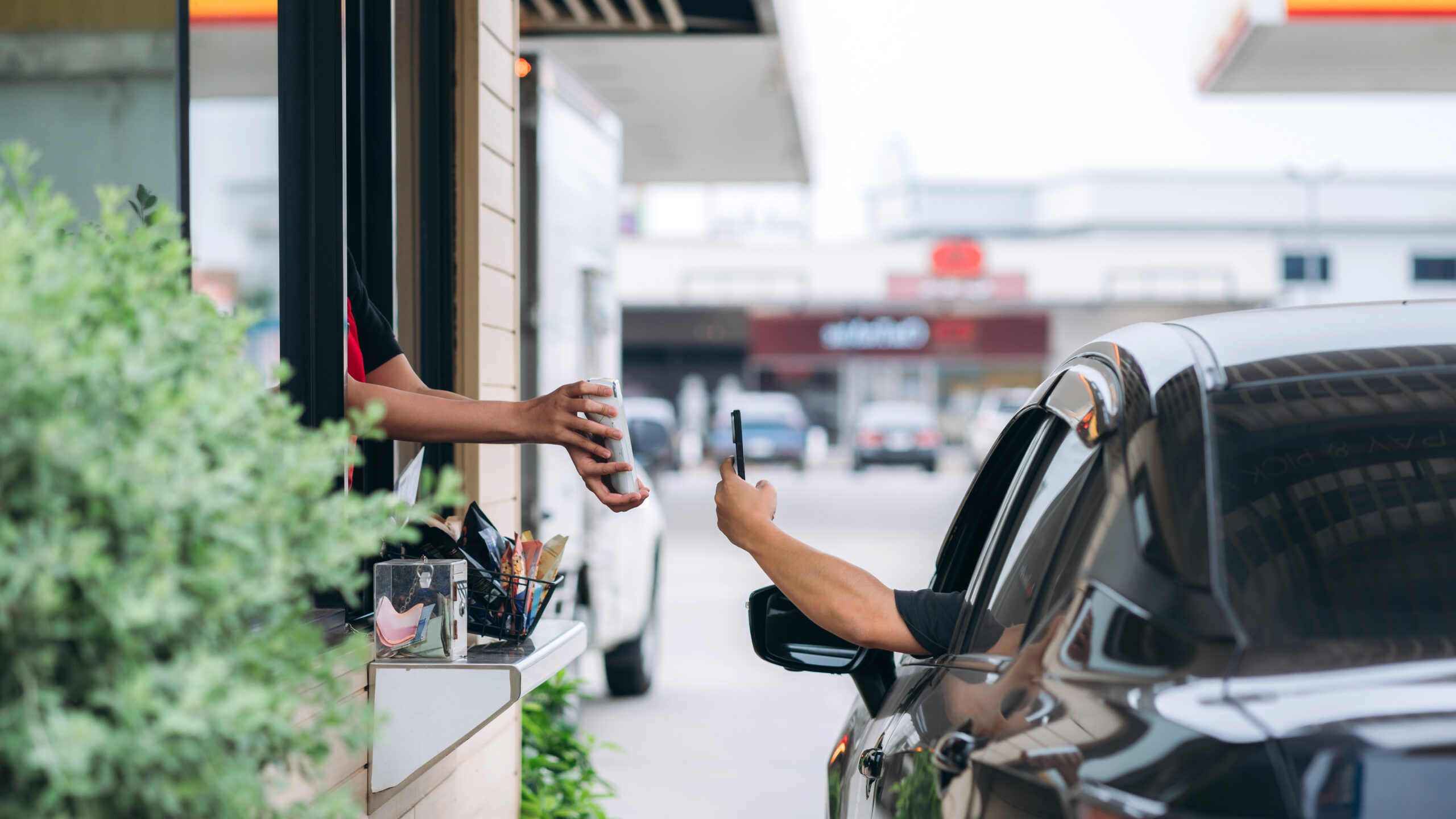
Increasingly, budgets are influenced by dozens of smaller decisions that happen almost without thinking. A coffee ordered through an app or drive-thru instead of brewed at home. Groceries or meals delivered after a busy workday. An extra streaming service because the one show or game you want to watch is only offered on a specific platform. Faster shipping or delivery to avoid waiting just a little bit longer.
None of these purchases are necessarily irresponsible. In fact, many of them make life easier. The challenge is that convenience has become so woven into everyday life that it's easy to lose track of what it's actually costing us.
The Price of Saving Time
Time is valuable, and sometimes paying for convenience is money well spent. For a parent juggling work and after-school activities, grocery pickup or delivery may free up an hour that would otherwise be spent walking the aisles. Someone recovering from an illness might rely on meal delivery for a week or two. Paying for airport parking near the terminal may be worth every penny when you're trying to catch a 6 AM flight.
Convenience isn't the enemy. The problem begins when paying for convenience becomes the default rather than the exception. When that happens, it's easy to stop weighing the cost against the benefit because the decision barely feels like a decision anymore.
Technology has made spending incredibly frictionless. Saved payment methods, one-click checkouts, automatic renewals, and mobile wallets mean purchases can happen in seconds without even having a physical card present or leaving your home. That's great when you're buying something you truly need, but ever found yourself scrolling Amazon's deals just because? It's less helpful when convenience encourages spending you might not have otherwise considered.
The Costs You Don't Always Notice
Delivery fees are the obvious example, but they rarely tell the whole story. Ordering dinner through a delivery app often means paying higher menu prices, service fees, taxes, and a tip on top of the meal itself. What would have been a $20 pickup order can easily approach $35 before it arrives at your door.
The same idea applies in other areas of daily life.
Expedited shipping costs a little more. Bottled water from a convenience store costs more than filling a reusable bottle. Buying ingredients already chopped or prepared often comes with a higher price tag than doing the work yourself.
None of those choices are wrong. The point is simply that convenience usually carries a premium, even if that premium doesn't seem significant in the moment.
Subscription Creep is Real
Think about how many subscriptions you currently pay for. You may immediately think of streaming services, but that's only the beginning. Music platforms like Spotify and iHeartRadio, cloud storage, fitness apps, make-up boxes, mystery boxes, software, memberships, meal-planning apps, gaming services, and digital news subscriptions are all competing for a small place in your monthly budget.
Individually, most don't seem expensive enough to question. Collectively, they tell a different story. A handful of subscriptions that cost between $5 and $20 each month can quietly turn into hundreds of dollars each year. That's money that may be paying for services you love, services you occasionally use, and services you completely forgot about.
Instead of asking whether subscriptions are "good" or "bad," ask a simpler question: If this renewed today, would I sign up again?
If the answer is no, you've found an opportunity to put that money toward something more meaningful.
Convenience Spending Has a Compounding Effect
One of the reasons convenience spending is so difficult to spot is because each purchase feels independent.
You aren't thinking about the grocery delivery when you stop for coffee on your way into work. You aren't thinking about the streaming subscriptions when you pay extra for next-day shipping. You aren't adding up the ride-share from last weekend while renewing another monthly membership.
Your bank account, however, sees and feels the complete picture.
Over weeks and months, those separate decisions combine into a spending pattern that can quietly crowd out other financial priorities. Building an emergency fund starts taking longer. Paying down debts slows. Saving for a vacation or home project feels harder than it should.
Often, it's not because income has changed. It's because dozens of small expenses have gradually claimed a larger share of the budget.
Try a Convenience Audit Instead of a Budget Overhaul
If your budget feels tighter than you'd expect, resist the urge to immediately cut everything out. Instead, spend 15-20 minutes reviewing your checking account or credit card statements from the past two months.
Rather than focusing on the dollar amount, look for a pattern.
Highlight purchases that were made because they were easier, faster, or more comfortable. You may notice recurring subscriptions, delivery charges, convenience store purchases, expedited shipping, premium upgrades, or digital services that seemed insignificant at the time.
Once you've identified those expenses, ask yourself a few questions:
- Which purchases genuinely improved my life?
- Which ones simply became routine?
- If I stopped paying for this tomorrow, would I actually miss it?
- Is there a less expensive way to accomplish the same thing?
You may find that only a few changes are enough to create extra breathing room in your budget.
Give Those Dollars a New Job
Finding an extra $40 or $75 each month may not seem like much at first, but over the course of a year, that money could help cover an unexpected auto repair, reduce high-interest debt, pay for holiday shopping without relying on a credit card, or make steady progress toward a savings goal.
That's the tradeoff worth thinking about.
Every dollar spent on convenience is a dollar that can't be used somewhere else. That doesn't mean convenience isn't worth paying for now and then. It simply means every recurring expense deserves to earn its place in your budget.
Convenience Should Be a Choice
Modern conveniences have changed the way we live, and many of them genuinely make everyday life better. There's nothing wrong with paying for services that save time, reduce stress, or help you focus on what matters most.
The key is making those decisions intentionally.
Reviewing your spending a few times each year can help you spot habits that have quietly formed over time. You may discover several expenses you don't miss at all. More likely, you'll find yourself somewhere in between.
The goal isn't to eliminate convenience. It's to make sure you're paying for the conveniences that add value to your life instead of the ones you've simply stopped noticing or have become routine.